
There’s a dream a lot of people carry quietly: a piece of land of their own. Maybe a few acres where you could build someday. Maybe timberland to hunt or a meadow to simply have. The good news is that Idaho, Montana, and Washington still have plenty of it, and compared to many parts of the country, it’s still attainable. The complicated news is that buying land is genuinely different from buying a home, and the surprises tend to cost money. Here’s what you need to know going in.
3rd
Idaho ranks in the US for total land area
63%
of Idaho is federally managed land
4th
Montana is the 4th largest US state by area
Land financing works differently
If you’re planning to finance a land purchase, be ready for different rules than a home loan. Most traditional lenders won’t write a standard mortgage on raw land, instead you’ll be looking at a land loan or a lot loan, which typically require higher down payments (often 20–50%), come with shorter terms, and carry higher interest rates. Some buyers use a HELOC on an existing home or work with agricultural lenders and credit unions who are more comfortable with rural land transactions. Know your financing path before you fall in love with a parcel.
Access is everything, and not guaranteed
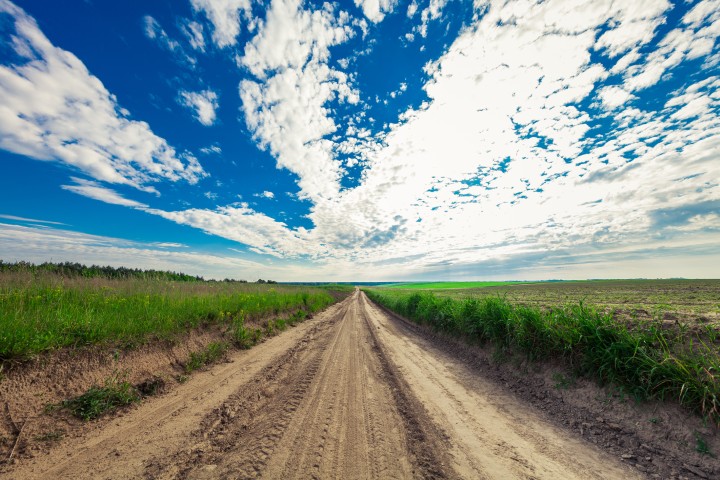
Before anything else: can you actually get to the land legally? Landlocked parcels exist, particularly in rural parts of all three states, where the only access runs through another private owner’s property. You need legal access, ideally deeded road access, not just a handshake agreement or a historic path that someone might decide to close. Always verify access is formalized before making an offer.
Water rights are their own world
In the West, water rights are a big deal — and they don’t automatically come with the land. Idaho, Montana, and Washington all operate under the prior appropriation doctrine (“first in time, first in right”), meaning water rights are separate from land ownership and need to be established independently. If you’re planning to irrigate, farm, or develop, understanding the water situation on a parcel is non-negotiable. This is absolutely an area to consult a professional who knows your specific state’s system.
Zoning tells you what you can actually do
The listing might say “build your dream home” but the zoning might tell a different story. Agricultural, rural residential, forestry, and conservation zones all come with different rules about what can be built, how close structures can be to property lines, whether you can subdivide in the future, and whether short-term rentals would be permitted. Research the county zoning designation of any parcel you’re seriously considering and call the planning department directly if you have questions.
Utilities and infrastructure cost more than you expect
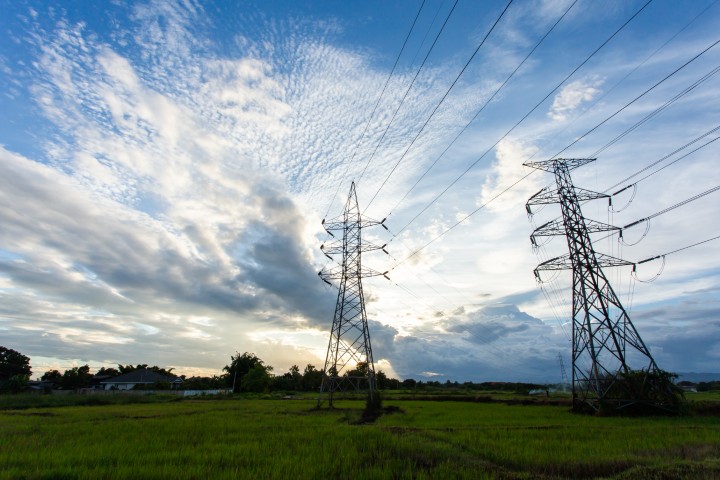
A home that’s listed without utilities connected isn’t necessarily a dealbreaker, but it is a budget line item. Running power to a rural parcel can run from a few thousand dollars to well over $30,000 depending on distance from the nearest line. Drilling a well, installing a septic system, and getting internet connectivity are all additional costs that need to be built into your budget. Get quotes before you buy, not after.
Due diligence is more involved
When you buy a home, inspections are fairly standardized. Land is different. Depending on the parcel, you may want to investigate soil composition (especially for building or septic feasibility), flood zone designation, wildfire risk zone, easements and encumbrances on title, mineral rights (which are often severed from surface rights in Montana and Idaho), and any liens or back taxes. This is a good argument for working with a real estate agent who specializes in land transactions in your specific area, the nuances are real.
The upside is genuinely significant
None of this is meant to talk you out of it. Land in the Northwest is finite, it appreciates over time, and there is something meaningful about owning a piece of a place this beautiful. Rural acreage in Idaho, Montana, and Washington continues to attract buyers from across the country who want space, privacy, and a connection to the natural world that’s hard to find elsewhere. Go in informed, work with people who know the market, and that piece of ground you’ve been dreaming about is very much within reach.
Buying land is not harder than buying a home, it’s just different. The buyers who do it successfully are the ones who took the time to understand the differences first.


