
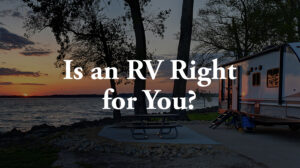
Around 11 million US households already own a camper or motorhome, and if you’re considering joining them, a little research now can save a lot of regret later.
There’s something irresistible about the idea of loading up an RV and heading out for the weekend — no hotel bookings, no packing and unpacking, just you, the open road, and a home on wheels waiting wherever you park it. It’s a fantasy that around 11 million American households have already turned into reality, and the appeal is easy to understand. But buying an RV is a significant investment, and the right choice depends on knowing what you actually want from it.
Whether you’re dreaming of national park road trips, lakeside weekends, or family camping adventures, this guide will walk you through the key things to consider before you sign on the dotted line.
11M
US households currently own a camper or motorhome — a number that has grown steadily for over a decade, driven by a growing appetite for flexible, experience-first travel.
First, Know How You’ll Actually Use It
Before you start browsing lots and listings, the most important question isn’t about price or floor plans — it’s about use. How often do you realistically see yourself going out? Weekend trips once a month? A couple of longer hauls each summer? A mix of campgrounds and more remote spots?
Your honest answers will shape almost every decision that follows. A family planning frequent weekend getaways has very different needs from a couple who wants one or two big road trips a year. Someone who loves rustic boondocking needs a different rig than someone who prefers full-hookup campgrounds with pool access. Getting clear on your vision before you shop will save you from buying more — or less — than you need.
The best RV isn’t the biggest or the most expensive — it’s the one that matches how you actually want to travel.
Understanding the Main Types of RV
The RV market can feel overwhelming at first. Broadly, your options fall into two camps: motorized units, where the living space and the engine are one vehicle, and towable units, which you pull behind a truck or SUV you already own.
Class A Motorhome
The largest motorized option. Bus-like, spacious, and loaded with amenities. Best for those who want maximum comfort and plan extended trips.
Class B (Campervan)
Built on a van chassis — easy to drive and park. Great for couples or solo travelers who value flexibility over space.
Class C Motorhome
A middle ground — more space than a van, easier to handle than a Class A. Often has a signature over-cab sleeping area. Popular with families.
Travel Trailer & Fifth Wheel
Towable units that unhitch at the campsite, leaving your vehicle free. Lower entry cost, but you’ll need a capable tow vehicle.
For most first-time buyers, a Class C motorhome or a mid-size travel trailer tends to hit the sweet spot — enough space for comfort without being overwhelming to drive or maneuver into a campsite.
What Will It Actually Cost?
RVs span a huge price range, and purchase price is only part of the picture. A basic travel trailer can start around $15,000–$25,000 new, while a well-equipped Class A motorhome can easily exceed $150,000. Most family-friendly mid-range options land somewhere in the $40,000–$90,000 bracket, with a healthy used market offering real savings for buyers willing to do some homework.
Beyond the sticker price, budget for insurance (typically $1,000–$2,000+ per year), campsite fees ($30–$80 per night for a standard hookup site), and routine maintenance. Fuel is another variable — motorhomes are not fuel-efficient, and a longer road trip will make that very clear at the pump.
The good news: compared to the cumulative cost of hotels, restaurant meals, and flights over several years of family travel, a well-used RV can genuinely pay for itself. The math works best for people who actually use it regularly.
New vs. Used: A Decision Worth Taking Seriously
Buying new means a warranty, the latest features, and the peace of mind of an untouched vehicle. Buying used can save you tens of thousands of dollars — but it requires more due diligence. Always have a used RV inspected by a qualified RV technician before purchase. Look for signs of water damage (the most common and costly issue), check the roof seals, test all appliances, and ask for service records.
Many experienced RV owners recommend buying used for your first rig — you’ll learn what you actually want before committing to something larger or more expensive.
✓ Reasons to Buy
- Freedom to go on your schedule
- No packing and unpacking every trip
- Cooking your own meals saves money
- Pets travel easily with you
- Kids love the adventure of it
- Access to remote, scenic locations
- Can save vs. hotels over time
✗ Things to Consider
- Significant upfront investment
- Storage when not in use
- Maintenance and repair costs
- Popular sites book up fast
- Learning curve for first-timers
- Towing requires the right vehicle
- Fuel costs on longer trips
Don’t Overlook Storage and Towing
Two practical questions that often get left until too late: where will you store it, and — if you’re considering a towable — can your current vehicle handle it?
RV storage is a real consideration, especially if you don’t have a large driveway or live in a neighborhood with HOA restrictions. Many owners use dedicated RV storage facilities, which typically run $50–$200 per month depending on coverage. For towables, towing capacity is non-negotiable — check your vehicle’s specs carefully before choosing a trailer.
Try Before You Buy
If you’ve never spent a night in an RV, renting one before purchasing is one of the smartest things you can do. Platforms like Outdoorsy and RVshare make it easy to rent privately owned rigs for a weekend or a week. Drive a Class C before you decide you want one. Cook in the kitchen. Sleep in the bed. Park it at a campsite.
Rent first, buy smart. A single weekend in someone else’s rig will tell you more than a hundred hours of YouTube research.
Ready to Take the Leap?
Buying an RV opens up a genuinely wonderful way to explore the country — on your timeline, at your pace, with all the comforts of home packed in behind you. The campfire conversations, the national park mornings, the spontaneous detours to somewhere you’ve never heard of — those experiences are real, and they’re worth chasing.
Go in with clear expectations, a realistic budget, and a good sense of how you like to travel, and there’s every chance an RV will be one of the best purchases you ever make. The road is waiting.


