
Every year, right around the time the aspens start thinking about turning gold and the kids are already a week or two back into school, we get a three-day weekend, fire up the grill, and call it Labor Day. But if you stopped ten people on the street and asked what Labor Day actually celebrates, you’d probably get a lot of shrugs and “isn’t it just the end of summer?”
Fair question. Here’s the real story, and it’s a lot more interesting than a mattress sale.
It Started With a Fight for a Better Workday
Labor Day was born out of the American labor movement in the late 1800s, a time when the average worker (including plenty of people right here in the Northwest’s mining camps, timber mills, and rail yards) was clocking 12-hour days, six or seven days a week, often in genuinely dangerous conditions. Factory workers, laborers, and tradespeople had little say in their hours, their pay, or their safety, and a growing movement of workers started organizing to push for change: reasonable hours, fair wages, safer job sites.
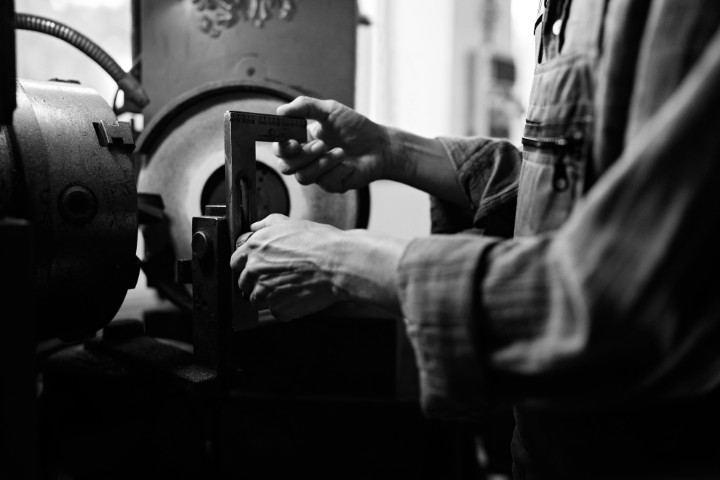
The first Labor Day celebration is generally credited to a parade organized by the Central Labor Union in New York City on September 5, 1882. Thousands of workers marched, then celebrated afterward with speeches, a picnic, and fireworks. It caught on, and individual states started officially recognizing the holiday throughout the 1880s and early 1890s.
Why It Became a Federal Holiday
The push toward making it official nationwide picked up steam after 1894, following a summer of serious labor unrest, most notably the Pullman Strike, a nationwide railroad strike that turned violent and drew federal troops into the conflict. In the aftermath, and looking to smooth things over with the American labor movement, Congress passed legislation and President Grover Cleveland signed Labor Day into law as a federal holiday just six days after the strike ended.
So the version of Labor Day we celebrate today, officially, is 130-plus years old, and it exists specifically to honor the contributions and achievements of American workers.
Why the First Monday in September?
There’s actually a fun bit of trivia here: unlike International Workers’ Day (May 1), which many other countries observe and which is tied to earlier labor demonstrations, the U.S. deliberately chose the first Monday in September. Some historians point to it as a practical choice, a nice seasonal midpoint between Independence Day and Thanksgiving, while others note it distanced the American holiday from the more politically charged May Day observances happening in Europe at the time. Either way, it stuck, and it’s given us the “unofficial end of summer” marker ever since.
What It Means Today
For most of us now, Labor Day has evolved into something a little different from its roots. It’s become the weekend for one last camping trip, a lake day, a barbecue with the whole family, or watching the local high school football season kick off. Kids are usually already back in the classroom by the time it rolls around, which makes it feel less like “summer’s last hurrah” and more like a well-earned pause before fall really sets in.
But it’s worth taking thirty seconds this year, in between flipping burgers and enjoying that extra day off, to remember what the day is actually for: a tip of the hat to the everyday workers, the builders, the drivers, the nurses, the loggers, the line cooks, the folks in the trades, whose labor keeps our communities running. That includes plenty of people we all know personally here in the Northwest.
A Few Fun Facts to Drop at Your BBQ
- The “no white after Labor Day” fashion rule dates back to early 20th-century high society, who used it as a subtle way to signal who was “old money” versus new. Not exactly a rule with a great origin story, and one plenty of people happily ignore today.
- Labor Day weekend is one of the busiest travel weekends of the year in the U.S., second only to a few other summer holidays, so if you’re headed to Priest Lake, Flathead Lake, or the Washington coast, plan for company.
- Canada celebrates its own Labour Day on the same date, for very similar historical reasons.
However you spend it this year, trail, tailgate, or just the couch, Labor Day’s worth a moment of genuine appreciation. It’s one of the few holidays built entirely around saying thank you to the people who do the work.


